Fashion Reimagined: XR & Circular Economy for a Sustainable Future

Project Number: 2025-1-FR01-KA220-SCH-000355752

d474c179806eea6b2f0c40088b7abdce

Fashion Reimagined: XR & Circular Economy for a Sustainable Future
An Erasmus+ project empowering young people to rethink fashion through sustainability and technology. Bringing together partners from France, Ireland, Türkiye, Spain, and Poland, the project merges creative design with digital innovation—using extended reality (XR) and circular fashion principles to reduce textile waste. Through interactive workshops, the XR Enabled Fashion Wardrobe, and the EcoThread learning platform, students and teachers learn how to reuse, repair, and reimagine clothing for a greener, more responsible future.
Through creative workshops, international collaboration, and hands-on upcycling activities, learners explore how everyday clothing choices impact the planet. The project also introduces innovative digital tools, including the XR Enabled Fashion Wardrobe, an immersive virtual platform where students can try on, exchange, and redesign clothing in extended reality, and the EcoThread learning module, which provides interactive lessons, videos, and sustainability resources for classrooms.

By combining creativity, technology, and environmental education, Fashion Reimagined empowers students and teachers to become changemakers who reduce textile waste, promote sustainable habits, and reimagine fashion for a greener future.

Project Deliverables 

Core Digital & Educational Outputs

  • XR Enabled Fashion Wardrobe – An immersive AR/XR platform where students upload, try on, exchange, and explore clothing items digitally.

  • EcoThread Online Learning Module – A comprehensive digital platform with lessons, videos, sustainability resources, interactive tools, and teacher materials.

Workshops & Learning Activities

  • Sustainable Fashion Workshops (upcycling, repair, zero-waste design, circular economy practices).

  • Natural Dye & Textile Revitalisation Workshop using eco-friendly techniques.

  • Eco-Friendly Clothing Donation Action carried out locally by each partner.

Student-Created Outputs

  • Global eTwinning Fashion Show featuring sustainable fashion pieces created by students.

  • 5-Minute Craft Videos promoting clothing reuse, repair, and recycling.

  • 3D / AR Clothing Models generated from student-uploaded images for the XR wardrobe.

Teaching & Learning Resources

  • Digital guides, lesson plans, workshop manuals, worksheets, and tutorial videos.

  • Translated and inclusive versions of all educational materials.

Digital Collaboration & Communication

  • Online student collaboration on eTwinning and Wakelet.

  • Project website and social media dissemination content.

  • Online resources sharing best practices in sustainable fashion.

Transnational Project Activities

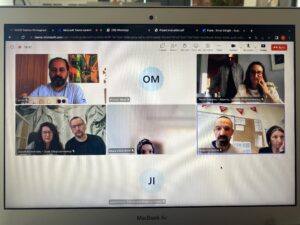
  • Online kick-off meeting.

  • Transnational face-to-face project meetings across partner countries.

  • Teacher training sessions on sustainable fashion and XR technologies.

Community & Outreach Deliverables

  • Engagement of local communities through the Fashion Show and dissemination events.

  • Awareness-raising campaigns on sustainable and circular fashion.

Trainings

Training: Sustainable Fashion and Circular Economy
Dublin, Ireland

Fashion Reimagined is a two-year Erasmus+ project focused on transforming how young people understand and engage with fashion. By combining sustainability, creativity, and extended reality (XR) tools, the project encourages more responsible textile consumption and promotes circular economy principles in education.

The partnership brings together organisations from France, Ireland, Türkiye, Spain, and Poland to reduce textile waste and introduce innovative learning approaches. Through collaboration, digital tools, and hands-on activities, the initiative empowers students and educators to become active contributors to a more sustainable fashion system.

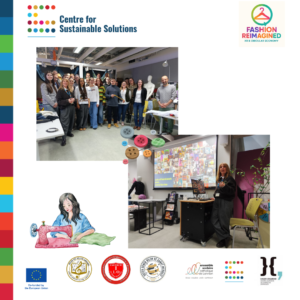
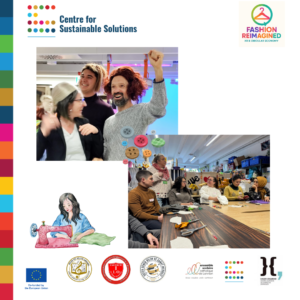
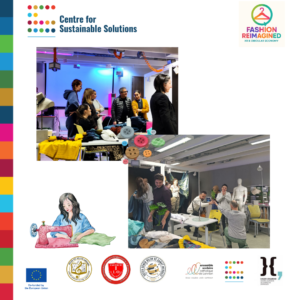
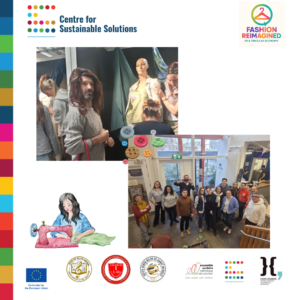
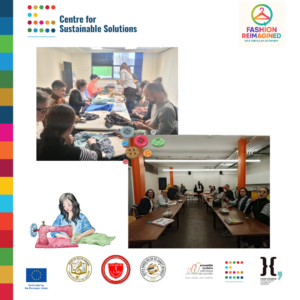
The Dublin training brought together educators from partner countries to exchange knowledge on textile waste management, circular design, and sustainable fashion practices. The programme included workshops, study visits, and practical sessions exploring reuse, repair, upcycling, and circular business models.

By strengthening cooperation and sharing good practices, the training supports the integration of circular fashion principles into education and community initiatives across Europe.

This publication reflects the views only of the authors. The European Commission and the Erasmus+ National Agencies are not responsible for any use which may be made of the information contained herein.